Carta Magna: Why Paper is Sexy
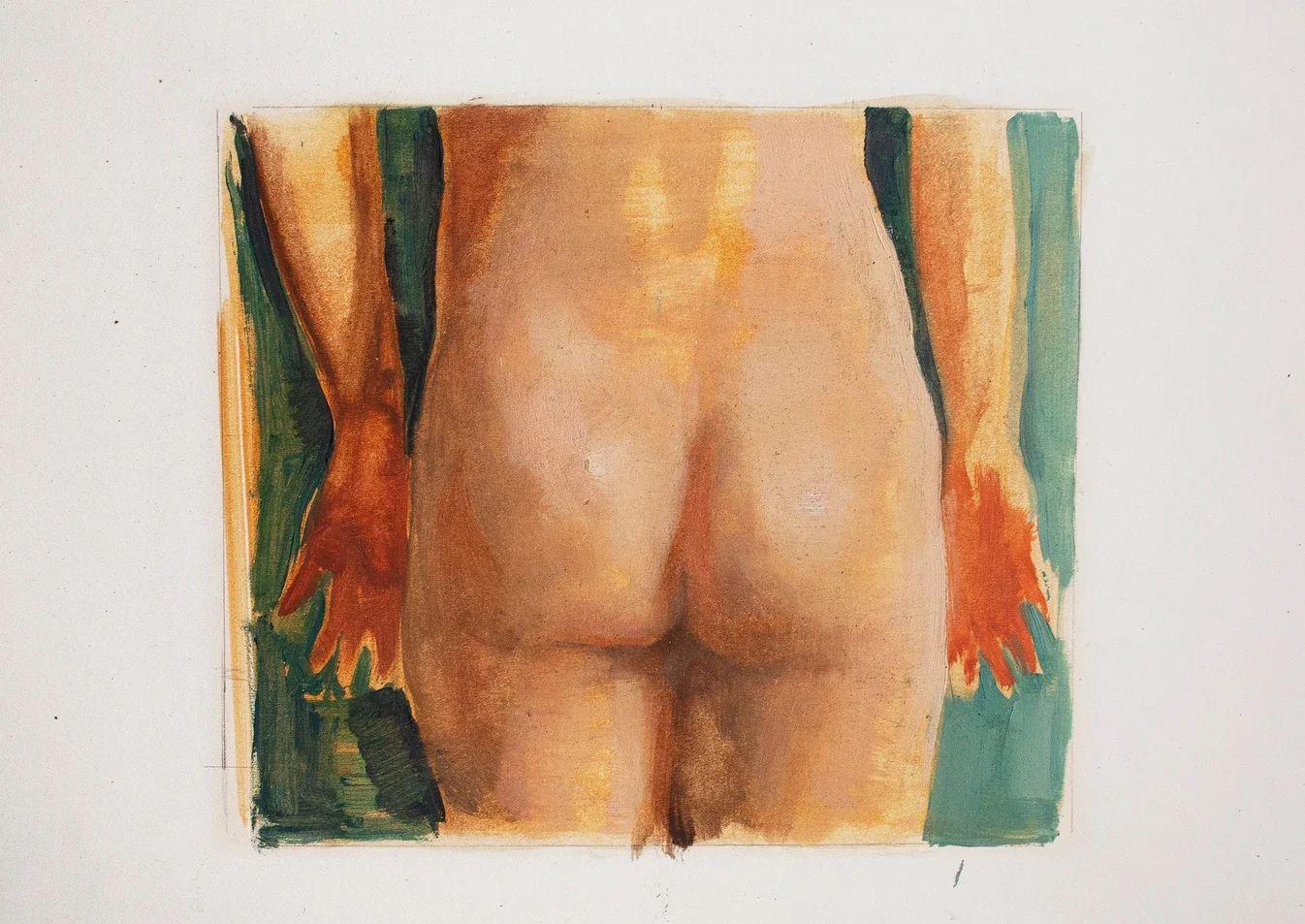
Golden Boy - Celia Mora | Courtesy of cartamagna.art
There is something disarmingly personal about standing in front of a work on paper.
Perhaps it is because nothing feels hidden. Every pencil mark, every diluted wash of ink, every hesitation remains visible. Unlike oil paint, which can conceal and overwrite, paper has a remarkable way of holding onto the artist's decisions. It records thought as much as image. For curator Vittoria Beltrame, that intimacy has always been impossible to ignore. She has long been drawn to the romance and delicacy of paper, a medium she sees as uniquely capable of revealing the artist's hand and, perhaps, something of their soul.
It is an affection that has gradually evolved into Carta Magna, a platform Beltrame launched in November 2025 devoted exclusively to original works on paper. Rather than treating drawings, watercolours or mixed-media works as studies for something larger, Carta Magna asks us to look at them on their own terms, as complete works, capable of carrying the same emotional and conceptual weight as any painting or sculpture.
The idea had been taking shape long before the website went live. Beltrame spent almost two years developing the project, waiting until the timing and the network she had built through her curatorial practice felt right. Whenever she included works on paper in exhibitions, they often found themselves competing with larger canvases for attention. Over time, she realised the medium deserved a space of its own.
The platform's first months suggested she wasn't alone in that belief. Collectors and artists responded enthusiastically, with many telling Beltrame they had never encountered anything quite like it, confirming what she had sensed from the beginning: that there was still a genuine space for a project centred entirely on this elegant and often overlooked medium.
That momentum found its first physical expression in April 2026, when Carta Magna presented A line has time in it, its inaugural exhibition in London's Fitzrovia. Bringing together more than forty emerging and established artists, the show celebrated drawing not as a preliminary exercise but as a finished expression in itself, inspired by David Hockney's observation that drawing takes time, and that a line has time in it. Works in graphite, ink, watercolour and mixed media invited visitors to slow down and look closely, marking the beginning of Carta Magna's programme of intimate in-person exhibitions alongside its online platform.
The collection is deliberately approachable. Every work is listed with a visible price, with pieces ranging from around £75 to £3,000. It is a simple gesture, but one that changes the experience entirely. Many collectors, particularly those at the beginning of their journey, are not looking for investment pieces or trophies. They are looking for something they genuinely want to live with. Works on paper, with their immediacy and accessibility, offer a natural and comfortable entry point into collecting without asking anyone to compromise on quality or ambition.
That openness extends to how Beltrame discovers artists too. An open call attracted applications from a remarkably broad range of practitioners, many of whom work with paper as their primary medium, a reminder of just how vibrant the contemporary community around this material really is.
If the platform began as a way of giving paper the attention it deserves, it has quickly become something larger: a growing community united by an appreciation for the medium's understated depth and immediacy.
Perhaps that is ultimately what Carta Magna is proposing. Not that paper is overlooked. Not even that it is underrated. Simply that it deserves our full attention. And sometimes, all it takes to see something differently is to remove everything else from the room.
Where to start: five works under £500
All images are courtesy of cartamagna.art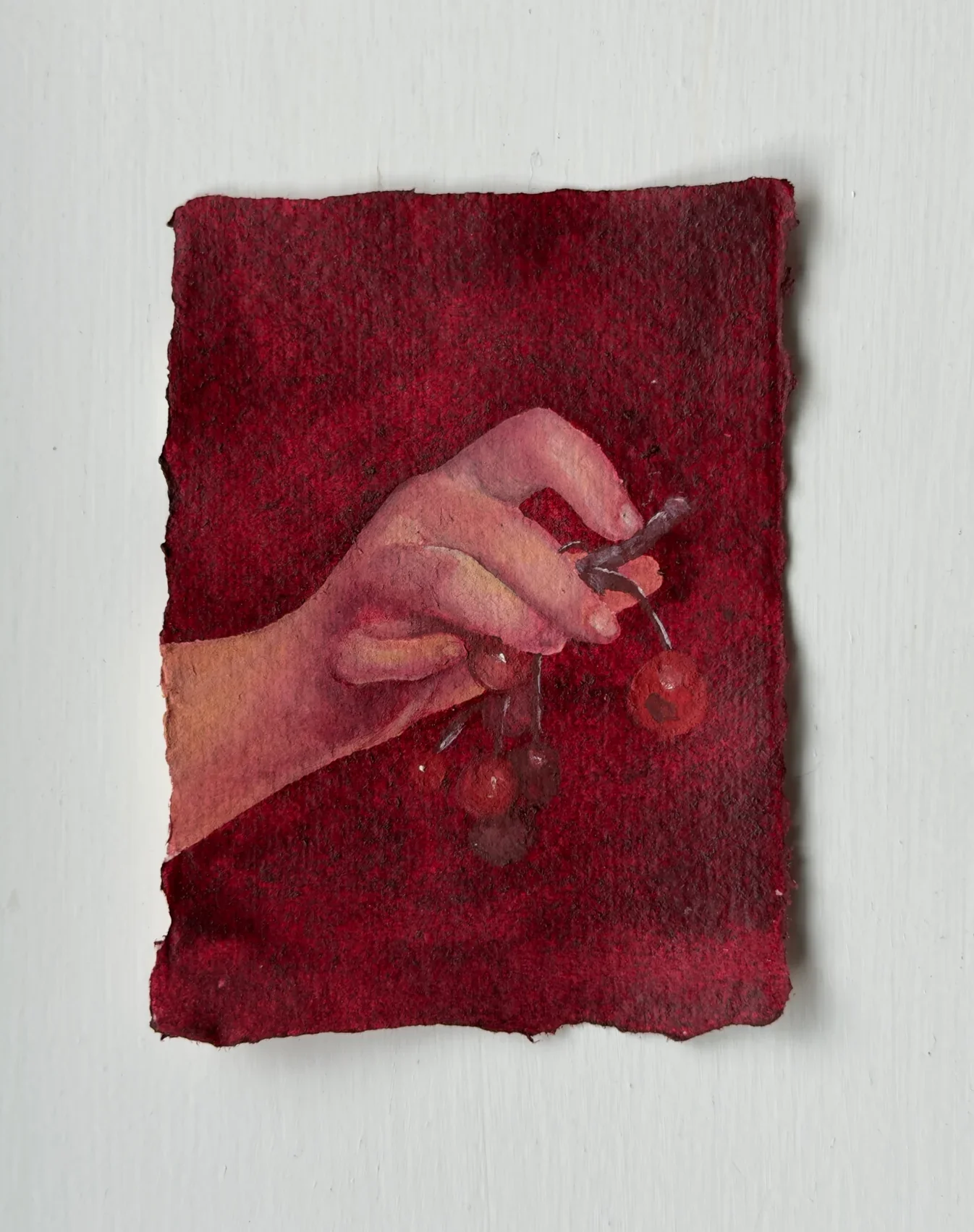
Lucrezia Abatzoglu
A Modest Mid Summer Offering
£500.00
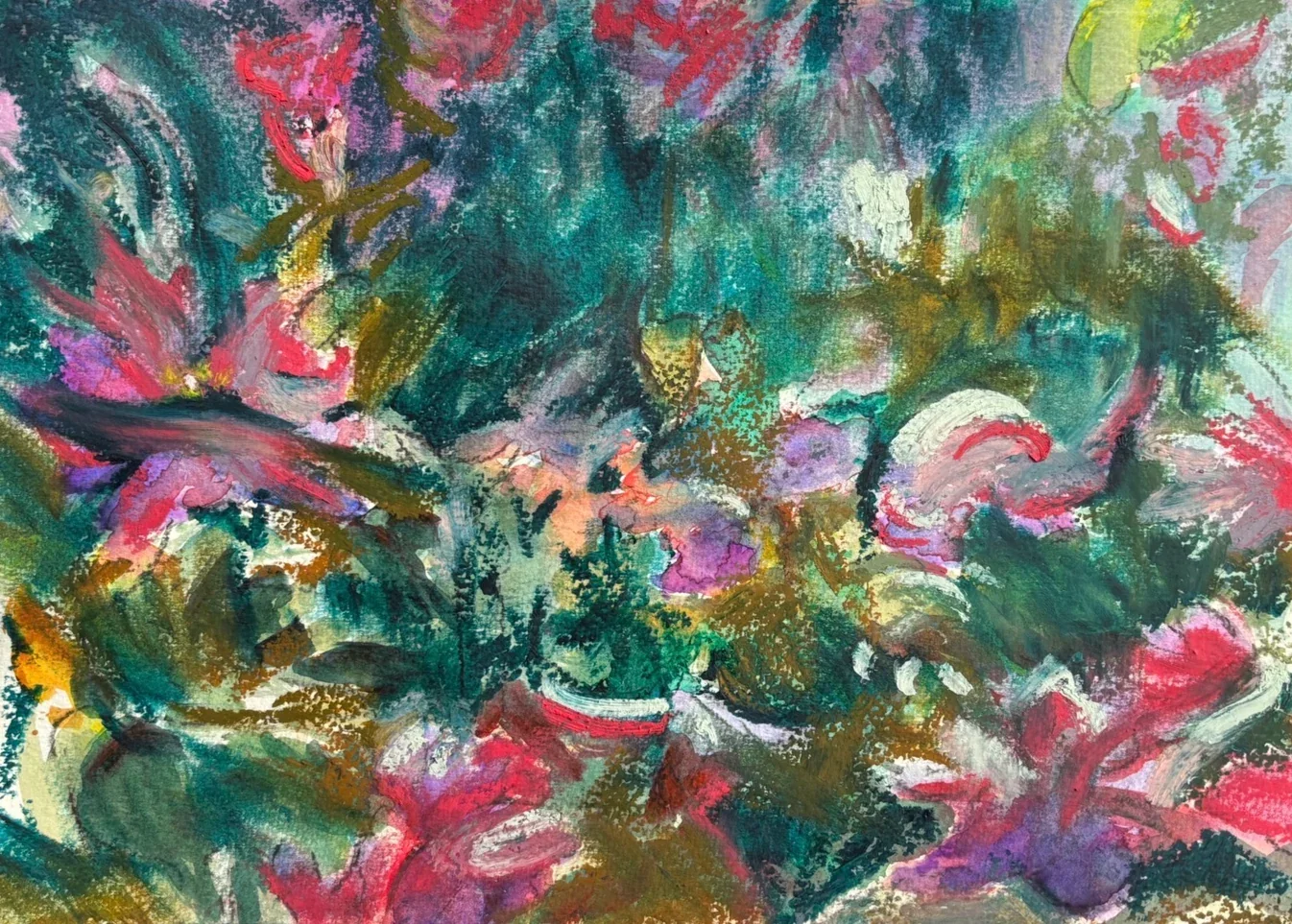
Hannah Kline
£200.00
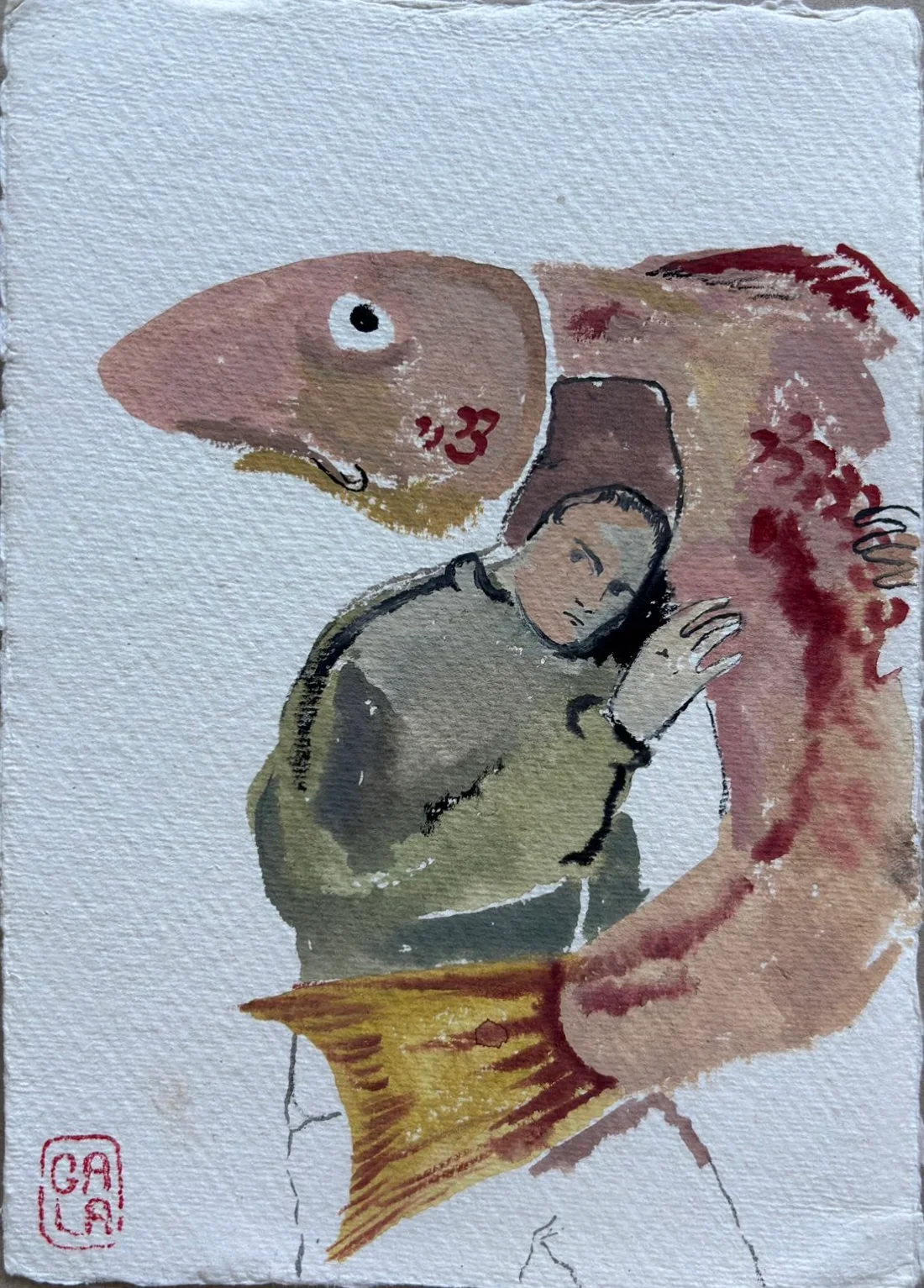
Gala Hills
£80.00
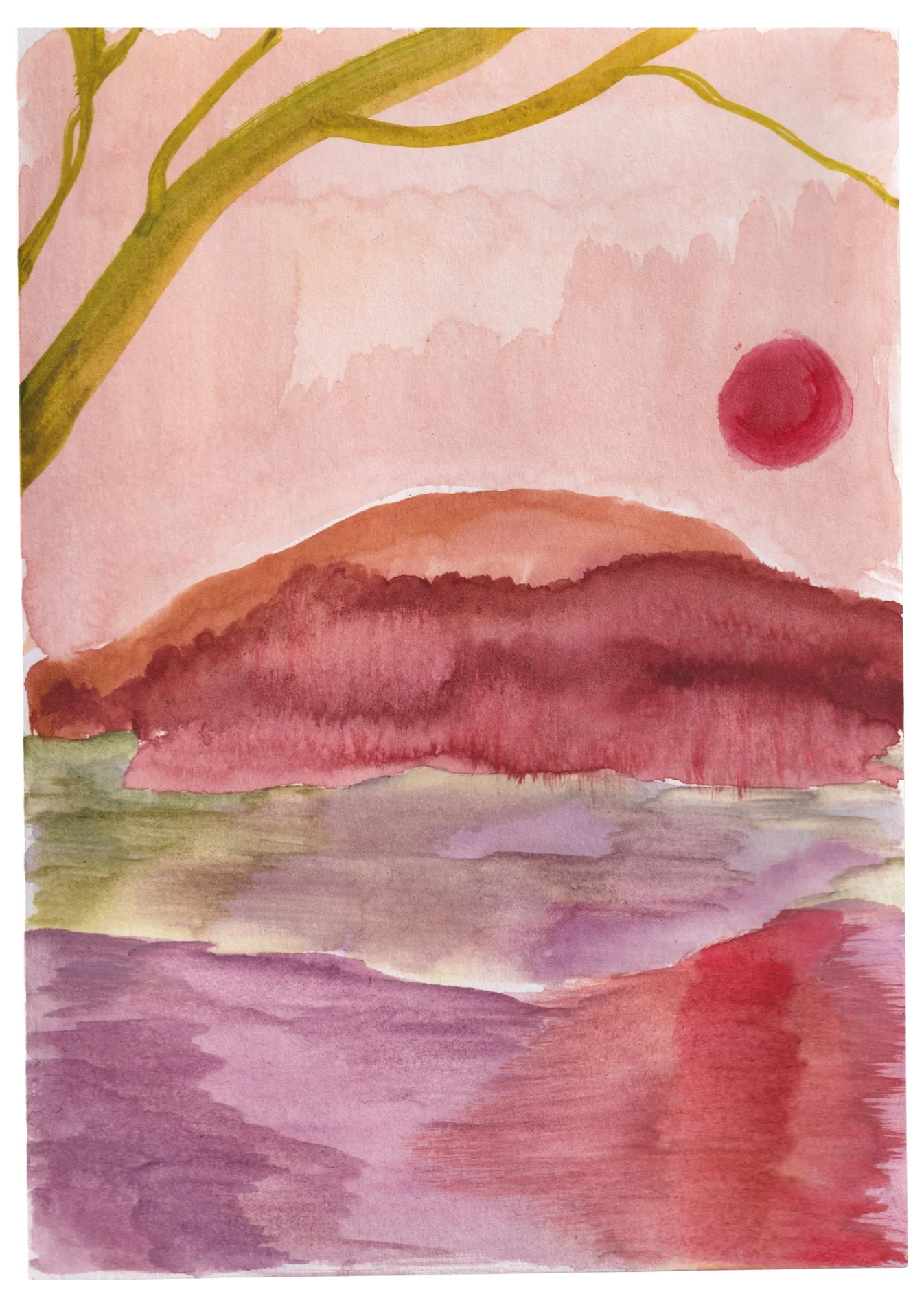
Ludi Leiva
£375.00
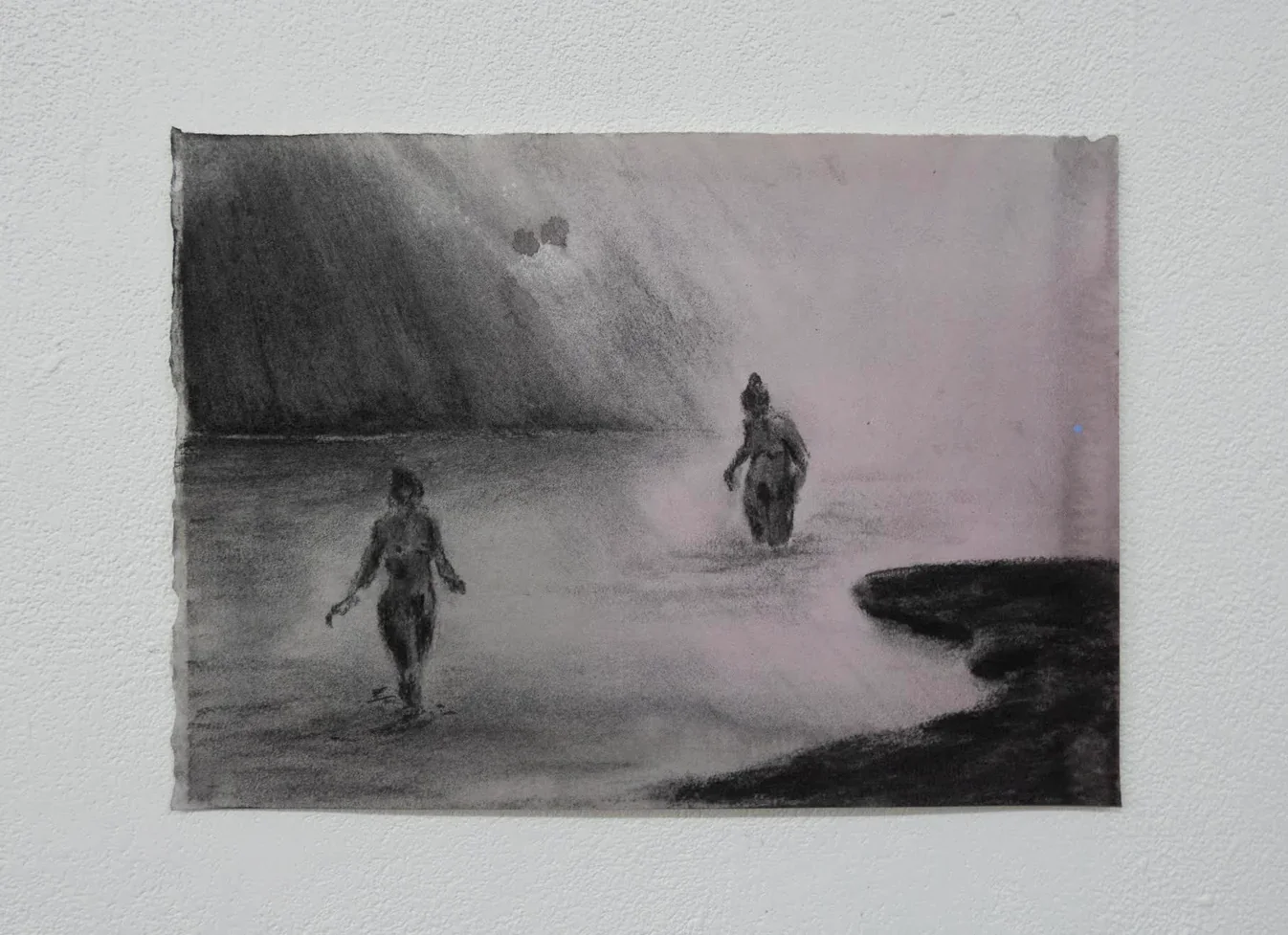
Amy Steel
£500.00